












Choosing the right refrigerated vehicle for transporting your fruit and vegetables
18 Jun. 2026, by Lecapitaine


This product, particularly appreciated by consumers as the Easter period approaches and during the end-of-year festivities, is a delicate product.
Chocolate is a product sensitive to ambient temperature and temperature fluctuations. It is therefore essential that its transport respects the cold chain.
Chocolate is not subject to strict regulations during transport unlike other products. However, good practices are necessary for its proper preservation and must be followed to ensure optimal customer satisfaction.
The particularity of this product is that chocolate is not transported in the same way in summer as in winter. Transport under controlled temperature is particularly necessary as spring and summer approach. Since the temperature increases, the risk of chocolate melting also increases drastically.
Ideally, chocolate should be transported between 10 and 18°C depending on the specific needs of the product.
A temperature that is too low would impact the chocolate and could then cover the product with a grey layer, due to an alteration of its molecular structure under the effect of temperature variations.
For filled chocolates, another risk comes into play : subjected to temperatures that are too low, freezing could cause the filling to expand and therefore cause the chocolate to crack.
Conversely, an ambient temperature that is too high would result in the product melting and therefore impacting its quality, a risk all the more accentuated in summer during periods of high heat.
Humidity, for its part, can lead to the dissolution of sugar and cause the formation of crystals on the surface of the chocolate, which would lead to the proliferation of mold.
Temperature variations can modify the appearance, texture as well as the taste, at the risk of compromising the sale of products and making them unfit for consumption. To overcome all these risks, the chosen transport must ensure constant control of temperature, while ensuring appropriate packaging for this product particularly sensitive to thermal shocks.
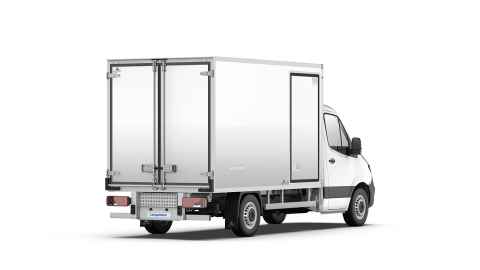
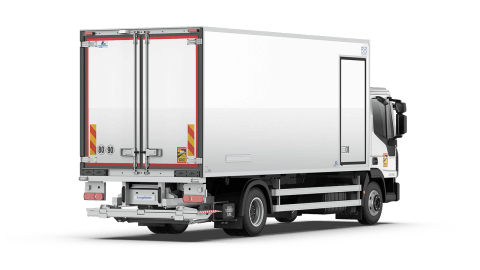
It is therefore necessary to favor a suitable refrigerated vehicle in order to maintain and preserve a stable and adequate temperature until delivery and fully enjoy the Easter period, while guaranteeing reliable and secure transport for your chocolates.